
Boat Gyro Stabilizer – Marine Anti-Rolling Solutions
Engineered for Stability—Trusted Anti-Rolling Solution
DECHO offers a range of marine gyro stabilizers designed to reduce vessel rolling and improve onboard comfort and stability. Our IG and XY series provide anti-rolling solutions for different vessel sizes, with models rated for vessels from 1 ton up to 35 tons.
Featuring high-speed flywheel technology, permanent magnet synchronous motors, vacuum sealing and advanced electronic controls, DECHO gyro stabilizers are designed for reliable marine operation, including rapid manoeuvres at up to 50 knots and level 4 sea conditions.
Whether you are a boat builder, marine equipment integrator or vessel operator, explore our gyro stabilizer models to compare vessel compatibility, anti-rolling torque, power requirements and installation dimensions.
Partner with us to equip your vessels with our boat gyro stabilizer. Click the button below to get in touch with us today!

7 models
IG and XY series
1–35 tons
nominal vessel weight range
900–31,200 Nm
maximum anti-rolling moment
DC or AC
IG: 12–72 VDC · XY: single-phase AC
Marine Gyro Stabilizers for Different Vessel Sizes
DECHO builds two families of boat gyro stabilizers. Choose by vessel weight first, then by the power supply available on board.
IG Series Gyro Stabilizers
Four DC-powered models (IG 03, IG 05, IG 07 and IG 1) for vessels from 1 to 5 tons. The 12–72 VDC input lets the unit run from the onboard battery bank, and all four models share one 396 × 340 × 380 mm housing, which keeps space planning simple for small boats and OEM platforms.
XY Series Gyro Stabilizers
Three AC-powered models for larger vessels: XY-1 (under 30 ft, up to 5 tons), XY-6 (30–50 ft, up to 25 tons) and XY-9 (55–65 ft, up to 35 tons). They run from a single-phase AC supply and deliver 2,650 to 31,200 Nm of maximum anti-rolling moment.
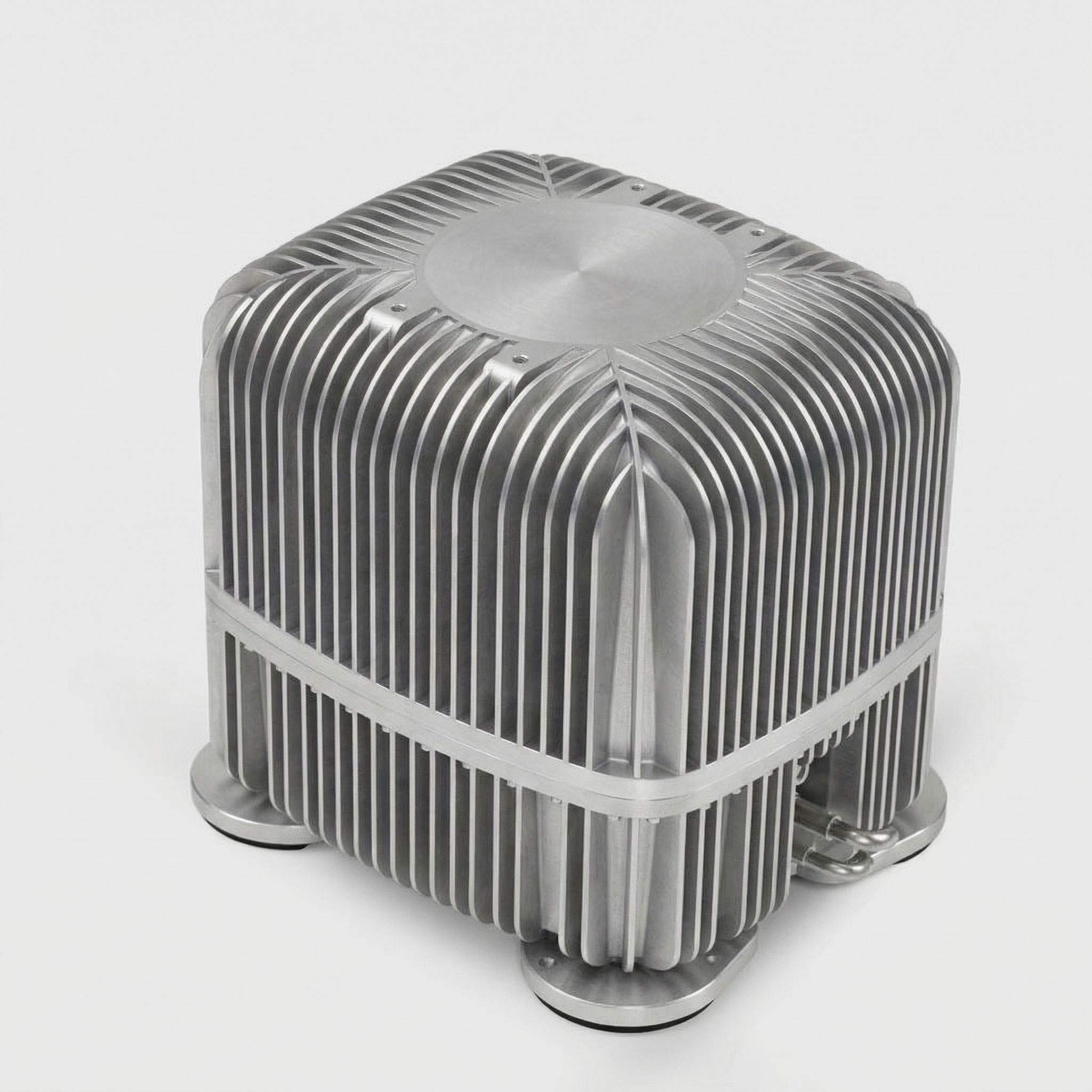
IG 03
View More
Up to 1 ton
Rated Speed : 15,000 rpm
Rated Angular Momentum : 300 Nms
Maximum Anti-rolling Moment : 900 Nm
Dimensions : 396×340×380 mm
Weight : 60 Kg
Power Input : 12 ~ 72 vdc
Spool-Up Power : 300 W
Operating Power : 150-300 W
Spool-up Time to Stabilization: 15 min
Spool-up Time to Max Rated RPM : 30 min
Ambient Temperature : -20-50°C
Noise : 68-72 dcB
IG 05
View More
Up to 2 tons
Rated Speed : 15,000 rpm
Rated Angular Momentum : 500 Nms
Maximum Anti-rolling Moment : 1,500 Nm
Dimensions : 396×340×380 mm
Weight : 75 Kg
Power Input : 12 ~ 72 vdc
Spool-Up Power : 400 W
Operating Power : 200-400 W
Spool-up Time to Stabilization: 15 min
Spool-up Time to Max Rated RPM : 30 min
Ambient Temperature : -20-50°C
Noise : 68-72 dcB
IG 07
View More
Up to 3 tons
Rated Speed : 10,000 rpm
Rated Angular Momentum : 700 Nms
Maximum Anti-rolling Moment : 2,100 Nm
Dimensions : 396×340×380 mm
Weight : 115 Kg
Power Input : 12 ~ 72 vdc
Spool-Up Power : 600 W
Operating Power : 300-600 W
Spool-up Time to Stabilization: 15 min
Spool-up Time to Max Rated RPM : 30 min
Ambient Temperature : -20-50°C
Noise : 68-72 dcB
IG 1
View More
Up to 5 tons
Rated Speed : 15,000 rpm
Rated Angular Momentum : 1,000 Nms
Maximum Anti-rolling Moment : 3,000 Nm
Dimensions : 396×340×380 mm
Weight : 115 Kg
Power Input : 12 ~ 72 vdc
Spool-Up Power : 800 W
Operating Power : 400-800 W
Spool-up Time to Stabilization: 15 min
Spool-up Time to Max Rated RPM : 30 min
Ambient Temperature : -20-50°C
Noise : 68-72 dcB
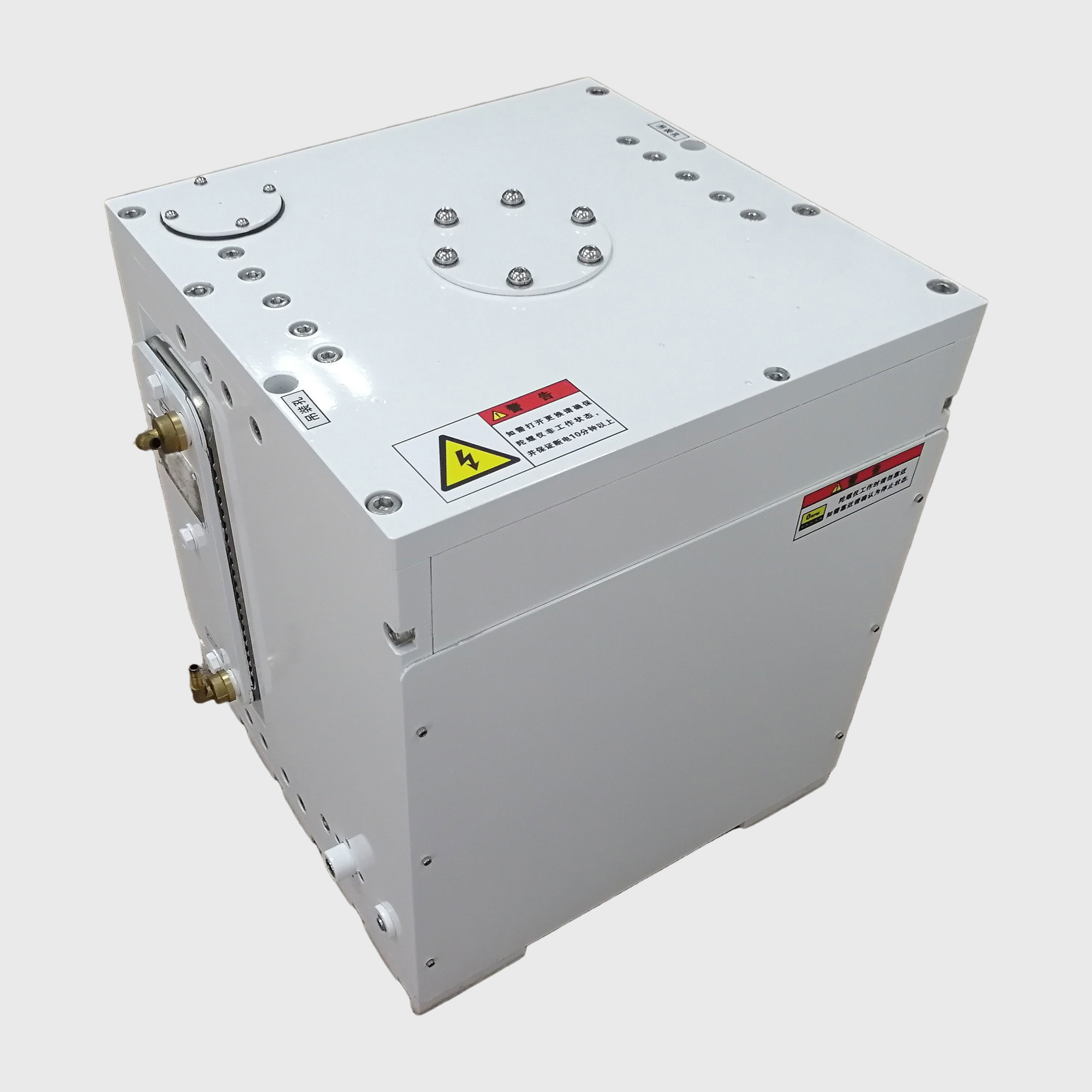
XY - 1
View More
Less than 30′ , Up to 5 tons
Rated Speed : 10,500 rpm
Rated Angular Momentum : 1,000 Nms
Maximum Anti-rolling Moment : 2,650 Nm
Dimensions : 410×406×459 mm
Weight : 160 Kg
Power Input : AC100-240 V
50/60 Hz Single Phase
Spool-Up Power : 800 W
Operating Power : 400-800 W
Spool-up Time to Stabilization: 10 min
Spool-up Time to Max Rated RPM : 24 min
Ambient Temperature : -20-60°C
Noise : <70 dB
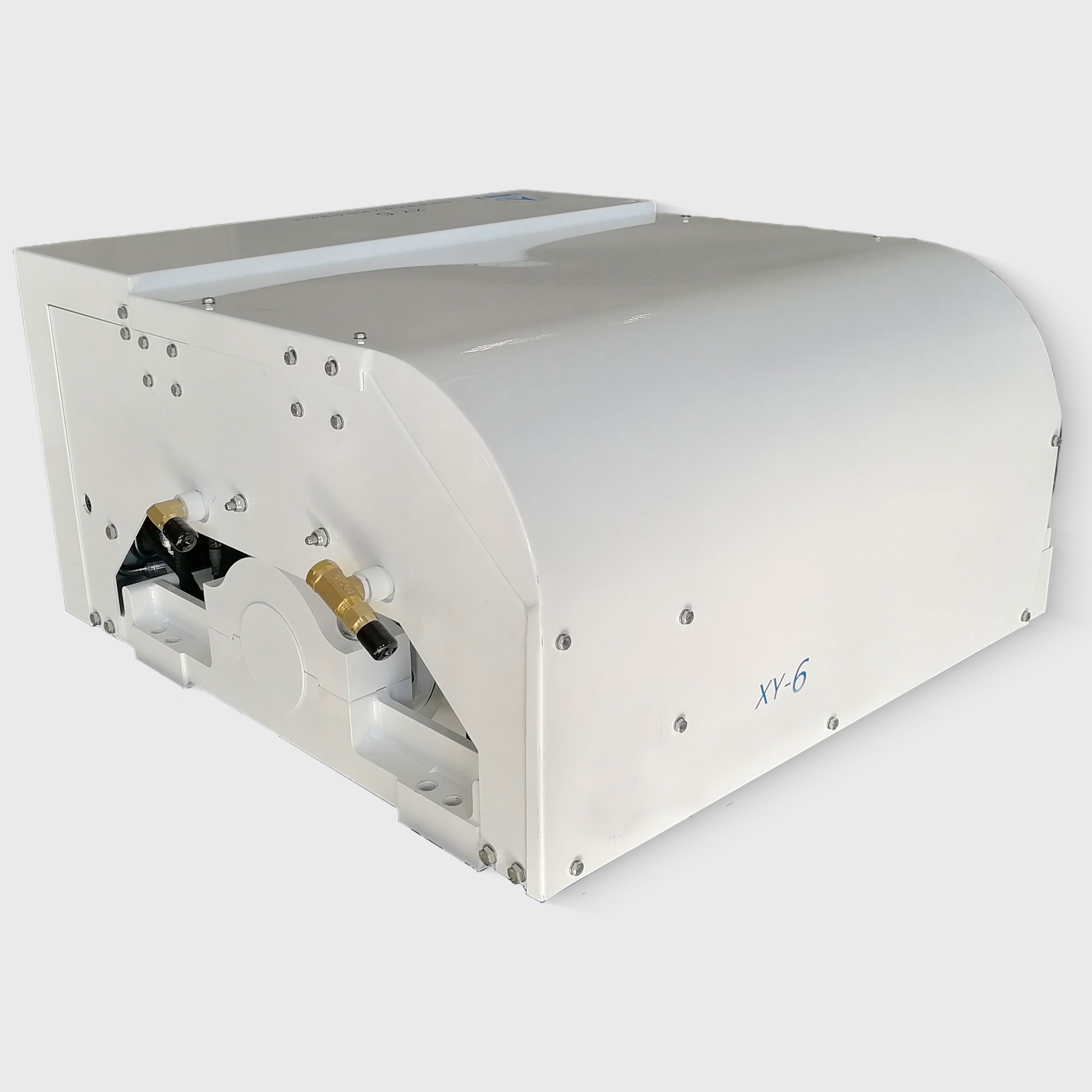
XY - 6
View More
30′ – 50′ , Up to 25 tons
Rated Speed : 10,000 rpm
Rated Angular Momentum : 6,300 Nms
Maximum Anti-rolling Moment : 21,500 Nm
Dimensions : 747×739×615 mm
Weight : 410 Kg
Power Input : AC210-240 V
50/60 Hz Single Phase
Spool-Up Power : 2,300 W
Operating Power : 700 W-2,200 W
Spool-up Time to Stabilization: 20 min
Spool-up Time to Max Rated RPM : 35 min
Ambient Temperature : -20-60°C
Noise : 68-72 dB
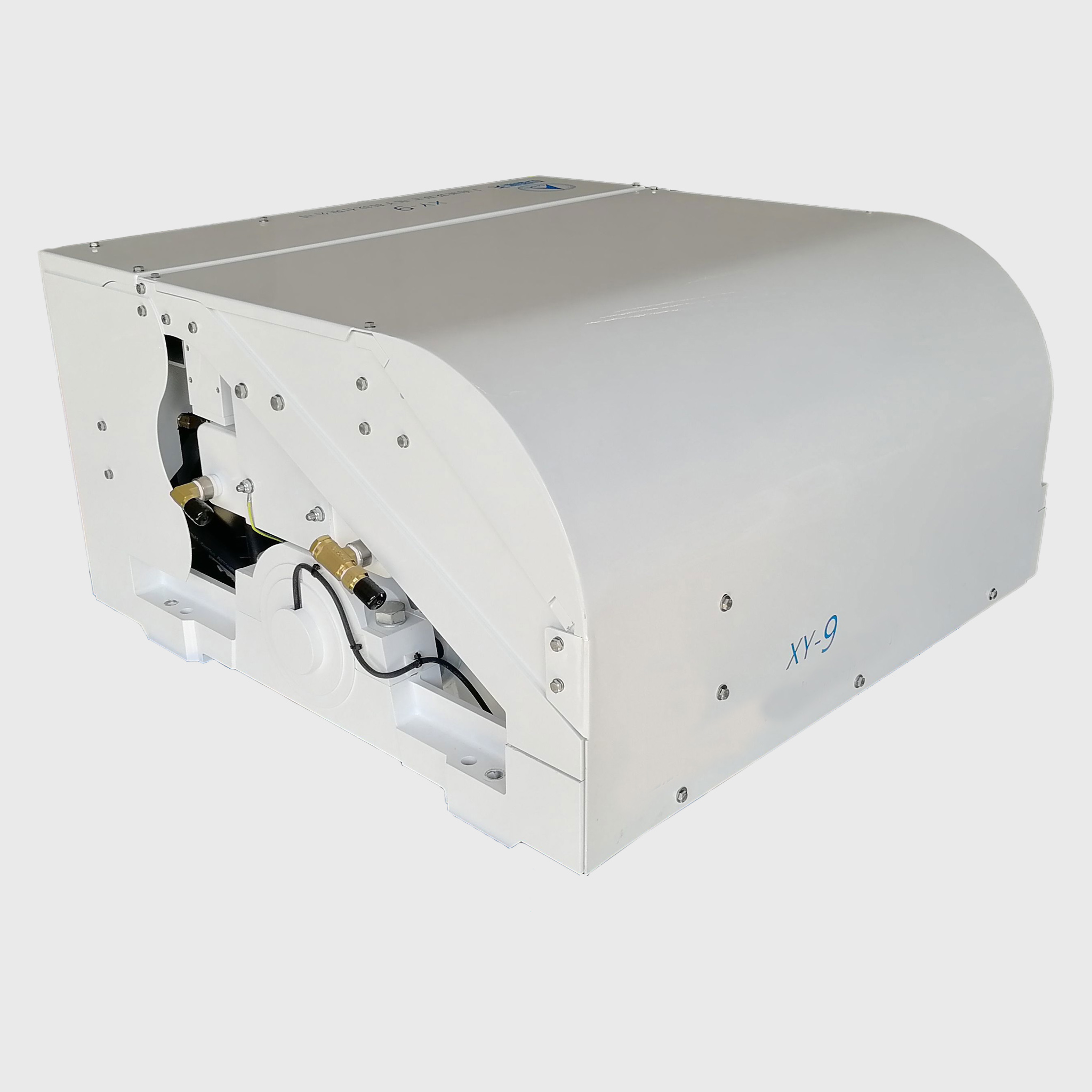
XY - 9
View More
55′ – 65′ , Up to 35 tons
Rated Speed : 9,000 rpm
Rated Angular Momentum : 9,500 Nms
Maximum Anti-rolling Moment : 31,200 Nm
Dimensions : 846X898x695 mm
Weight : 559 Kg
Power Input : AC210-240 V
50/60 Hz Single Phase
Spool-Up Power : 2,900 W
Operating Power : 900-2,300 W
Spool-up Time to Stabilization: 28 min
Spool-up Time to Max Rated RPM : 55 min
Ambient Temperature : -20-60°C
Noise : 68-70 dB
How Does a Boat Gyro Stabilizer Work?
A gyroscopic boat stabilizer is a roll stabilization system mounted inside the hull, with no fins or other appendages below the waterline. Because its counter-torque comes from a spinning flywheel rather than from water flow, it does not depend on boat speed and can work at anchor as well as underway.
1
Spin-up
A permanent magnet synchronous motor accelerates a forged-steel flywheel to its rated speed (9,000–15,000 rpm depending on the model) inside a vacuum-sealed housing.
2
Roll detection
When a wave rolls the hull, the electronic control system reads the motion and drives the flywheel frame (the gimbal) to tilt.
3
Counter-torque
The tilting flywheel produces a gyroscopic reaction torque about the boat’s longitudinal axis, opposite to the wave-induced roll.
4
Rated in newton-metres
The maximum anti-rolling moment (900–31,200 Nm across the range) states how strong that counter-torque is. A larger flywheel angular momentum (300–9,500 Nms) gives a higher rating, which is why heavier vessels need larger models.
The flywheel needs time to reach operating speed: 10 to 28 minutes to stabilization depending on the model (see power consumption and spool-up time).
Marine Gyro Stabilizer Technical Specifications
IG vs XY Series Comparison
The IG series runs on DC power for vessels up to 5 tons. The XY series runs on single-phase AC and covers vessels from under 30 ft up to 65 ft and 35 tons.
IG vs XY series comparison: vessel weight, anti-rolling moment, weight and power input
| Model | Nominal vessel | Max. anti-rolling moment (Nm) | Angular momentum (Nms) | Rated speed (rpm) | Weight | Dimensions (mm) | Power input | Quote |
|---|---|---|---|---|---|---|---|---|
|
IG 03 |
Up to 1 ton |
900 |
300 |
15,000 |
60 kg |
396 × 340 × 380 |
12–72 VDC |
|
|
IG 05 |
Up to 2 tons |
1,500 |
500 |
15,000 |
75 kg |
396 × 340 × 380 |
12–72 VDC |
|
|
IG 07 |
Up to 3 tons |
2,100 |
700 |
10,000 |
115 kg |
396 × 340 × 380 |
12–72 VDC |
|
|
IG 1 |
Up to 5 tons |
3,000 |
1,000 |
15,000 |
115 kg |
396 × 340 × 380 |
12–72 VDC |
|
|
XY-1 |
Under 30 ft, up to 5 tons |
2,650 |
1,000 |
10,500 |
160 kg |
410 × 406 × 459 |
AC100–240 V, 50/60 Hz, single phase |
|
|
XY-6 |
30–50 ft, up to 25 tons |
21,500 |
6,300 |
10,000 |
410 kg |
747 × 739 × 615 |
AC210–240 V, 50/60 Hz, single phase |
|
|
XY-9 |
55–65 ft, up to 35 tons |
31,200 |
9,500 |
9,000 |
559 kg |
846 × 898 × 695 |
AC210–240 V, 50/60 Hz, single phase |
Power Consumption and Spool-Up Time
Operating power depends on sea state and model size. “Time to stabilization” is how long the unit needs before it starts stabilizing the vessel; “time to max rated rpm” is how long it takes to reach full rated speed.
Power consumption and spool-up time by model
| Model | Spool-up power | Operating power | Spool-up time to stabilization | Spool-up time to max rated rpm | Ambient temperature | Noise |
|---|---|---|---|---|---|---|
|
IG 03 |
300 W |
150–300 W |
15 min |
30 min |
−20 to 50 °C |
60–72 dB |
|
IG 05 |
400 W |
200–400 W |
15 min |
30 min |
−20 to 50 °C |
60–72 dB |
|
IG 07 |
600 W |
300–600 W |
15 min |
30 min |
−20 to 50 °C |
60–72 dB |
|
IG 1 |
800 W |
400–800 W |
15 min |
30 min |
−20 to 50 °C |
60–72 dB |
|
XY-1 |
800 W |
400–800 W |
10 min |
24 min |
−20 to 60 °C |
<70 dB |
|
XY-6 |
2,300 W |
700–2,200 W |
20 min |
35 min |
−20 to 60 °C |
68–72 dB |
|
XY-9 |
2,900 W |
900–2,300 W |
28 min |
55 min |
−20 to 60 °C |
68–70 dB |
Rated values as published for each model. Final specifications and installation drawings are confirmed at quotation.
Key Features of DECHO Anti-Rolling Gyros Built for Reliability at Sea
DECHO anti-rolling gyros combine a non-inductive permanent magnet synchronous motor, a vacuum-sealed flywheel housing and a high-speed bearing system to deliver stable roll reduction in harsh sea conditions.
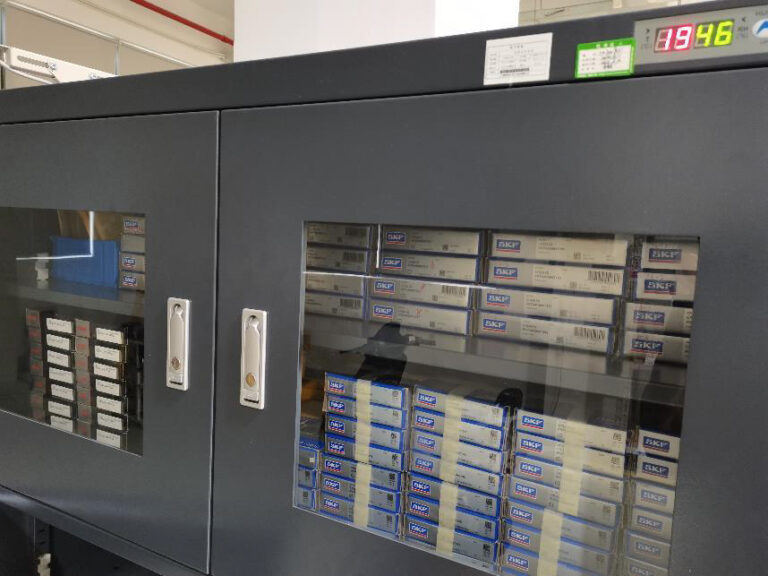
- ✓ Sufficient dynamic load margin adapt to harsher environments and achieve a longer service life
- ✓ Constant temperature and humidity chambers good storage environment for high precision materials
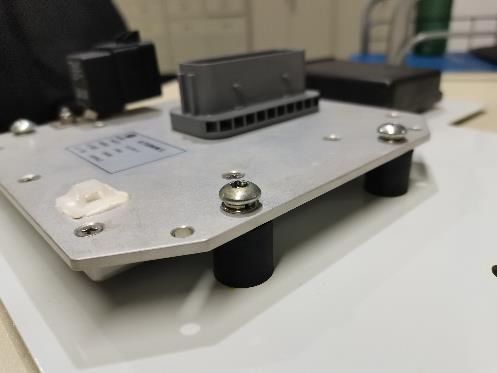
- ✓ The protection grade of all electronic control components reaches IP67
- ✓ All the electronic control components adopt a fully sealed structure
- ✓ All the electronic control components are connected to the outside through waterproof electrical connectors
- ✓ All the electronic control components have adopted reliable shock absorption and anti-loosening measures
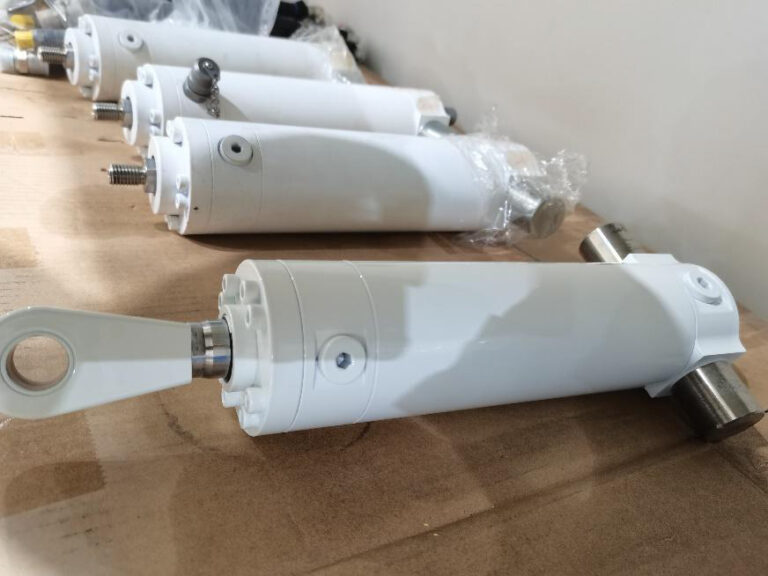
-
✓
Vacuum sealed cable
Aerospace-grade sealing ensures ultra-low leakage and high reliability. -
✓
High-reliability hydraulic cylinder
Special aerospace sealing rings offer low resistance and long-term durability. -
✓
Forged flywheel body
Made from forged steel for structural strength, safety, and reliability.
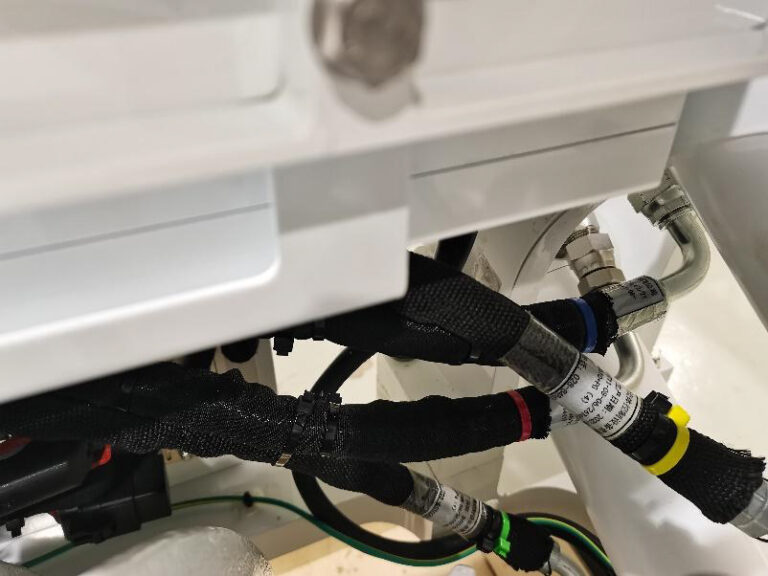
- ✓ All cables, water pipes and oil pipes are marked in standardized manners, convenient for production and maintenance.
- ✓ All moving parts, cables and water pipes are professionally designed to avoid any physical contacts.
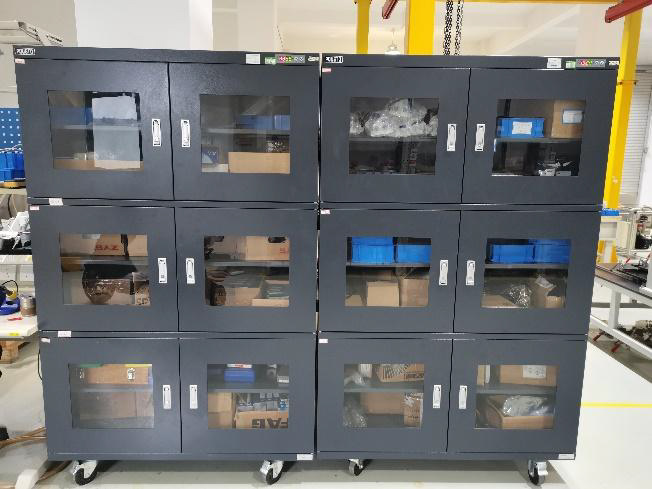
- ✓ Workshop managed under 6S standards — clean and standardized.
- ✓ Clear production documents ensure quality and consistency.
- ✓ Raw materials meet 6S requirements with full traceability.
Vacuum Sealing and High-Speed Bearings
- Non-inductive permanent magnet synchronous motor (PMSM) drives the flywheel.
- Vacuum-sealed flywheel chamber, with heat dissipation designed for vacuum conditions.
- Bearings carry a generous dynamic-load margin for harsher environments and longer service life.
- Aerospace-grade vacuum-sealed cable and a forged flywheel body.
- Vacuum-sealed design supports DECHO’s stated design life of 15 years of maintenance-free operation.
Electronic Control and Environmental Protection
- IP67 protection grade on all electronic control components.
- Fully sealed electronics, connected to the outside through waterproof electrical connectors.
- Shock absorption and anti-loosening measures on every electronic control component.
- Protective coating process and military-grade connectors, refined through temperature and humidity cycling.
- Tested for rapid manoeuvres at up to 50 knots and level 4 sea conditions.
How to Choose the Right Gyro Stabilizer for Your Boat?
Selection starts with the loaded displacement of the vessel. Small boats, fishing boats, workboats and yachts are all matched the same way: by weight first, then by power supply, space and how the boat is used.
Starting point for model selection by vessel weight
| Vessel | Suggested model | Power supply |
|---|---|---|
|
Up to 1 ton |
IG 03 |
12–72 VDC |
|
Up to 2 tons |
IG 05 |
12–72 VDC |
|
Up to 3 tons |
IG 07 |
12–72 VDC |
|
Up to 5 tons, DC supply |
IG 1 |
12–72 VDC |
|
Up to 5 tons, under 30 ft, AC supply |
XY-1 |
AC100–240 V single phase |
|
30–50 ft, up to 25 tons |
XY-6 |
AC210–240 V single phase |
|
55–65 ft, up to 35 tons |
XY-9 |
AC210–240 V single phase |
Loaded displacement
Use the weight of the boat as operated, including fuel, water, catch or cargo and crew, not the lightship weight.
Power supply
IG models connect to a 12–72 VDC battery bank. XY models need a single-phase AC supply.
Space and mounting
Compare the model dimensions and weight with the intended location, and check the hull structure that will carry the reaction torque.
Operating profile
Note whether roll is a problem at anchor, underway or both, and in which sea areas the boat works.
Nominal ratings are a starting point; every installation is confirmed with the vessel details. Need help? Send us your boat details, or see our services for engineering support.
Comprehensive Environmental Adaptability Tests
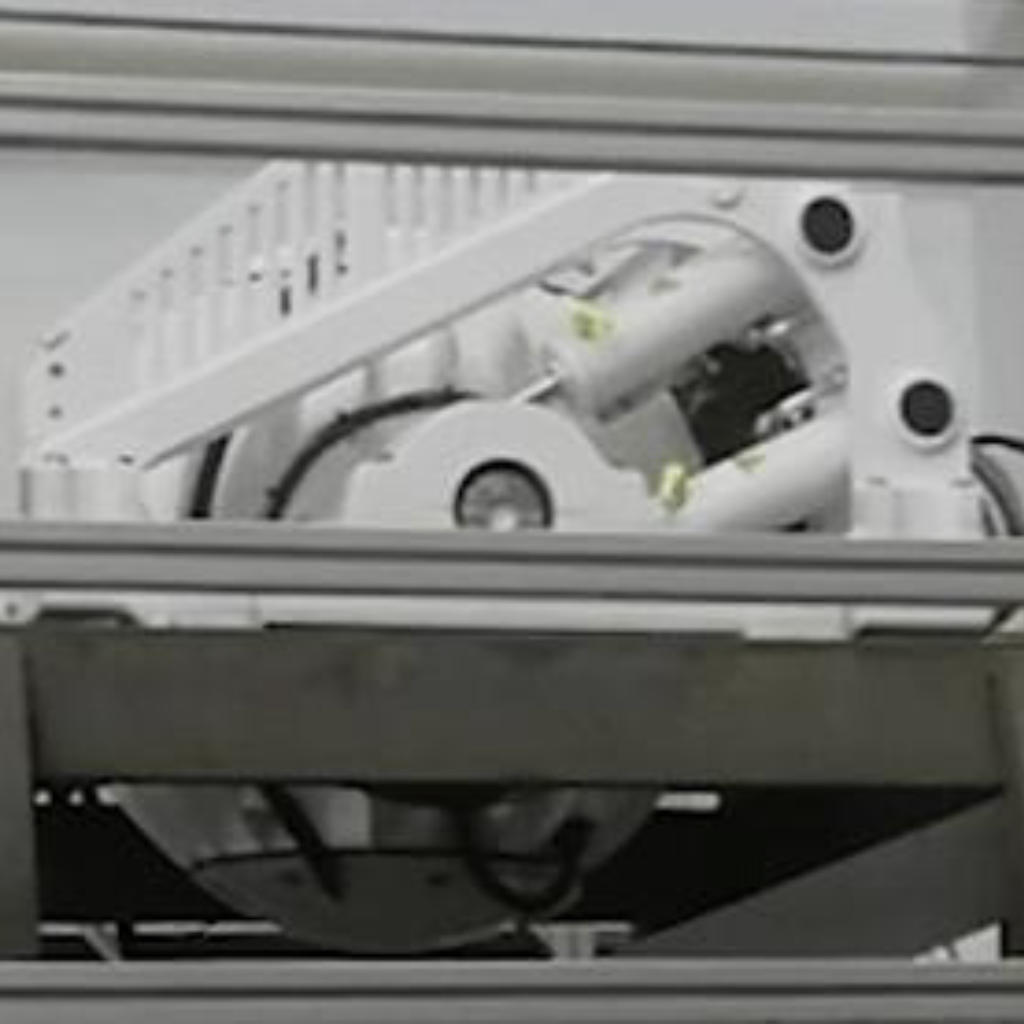
Swing table test
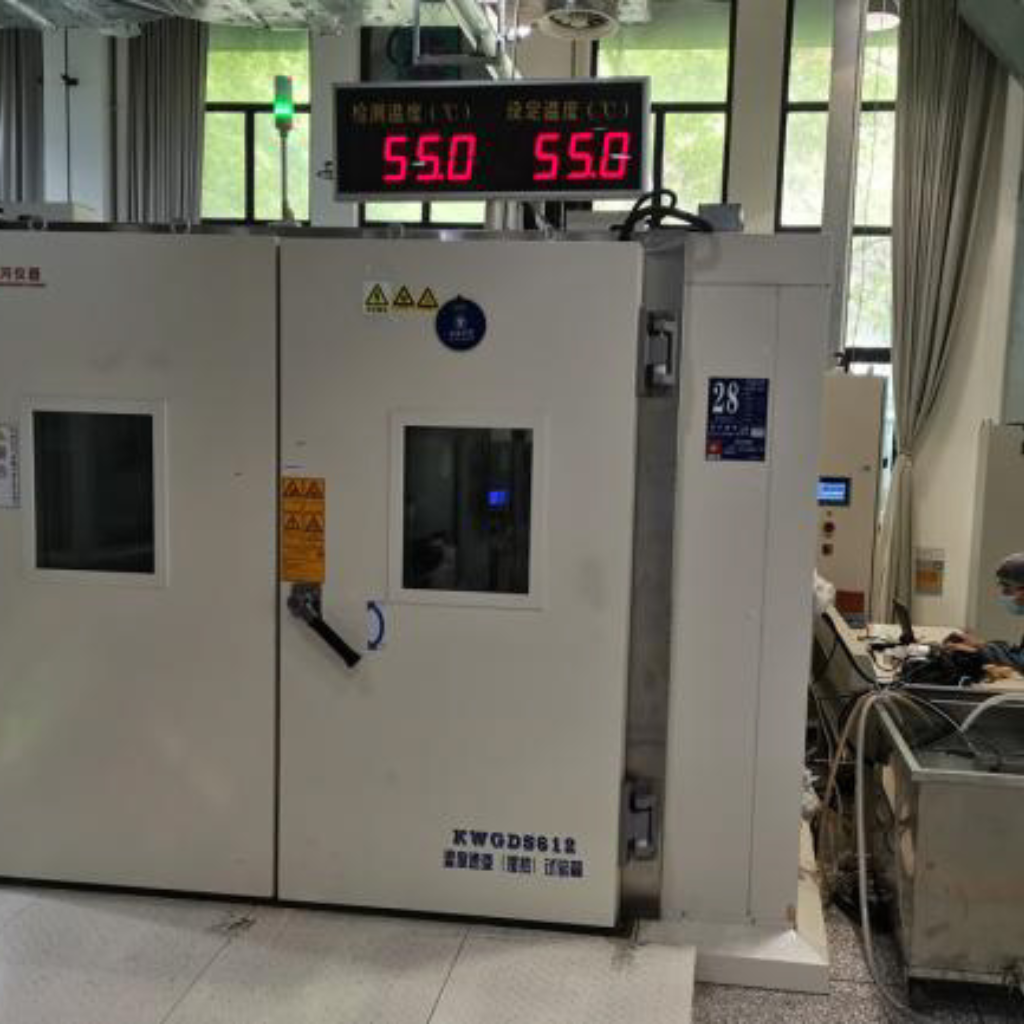
Temperature and humidity test
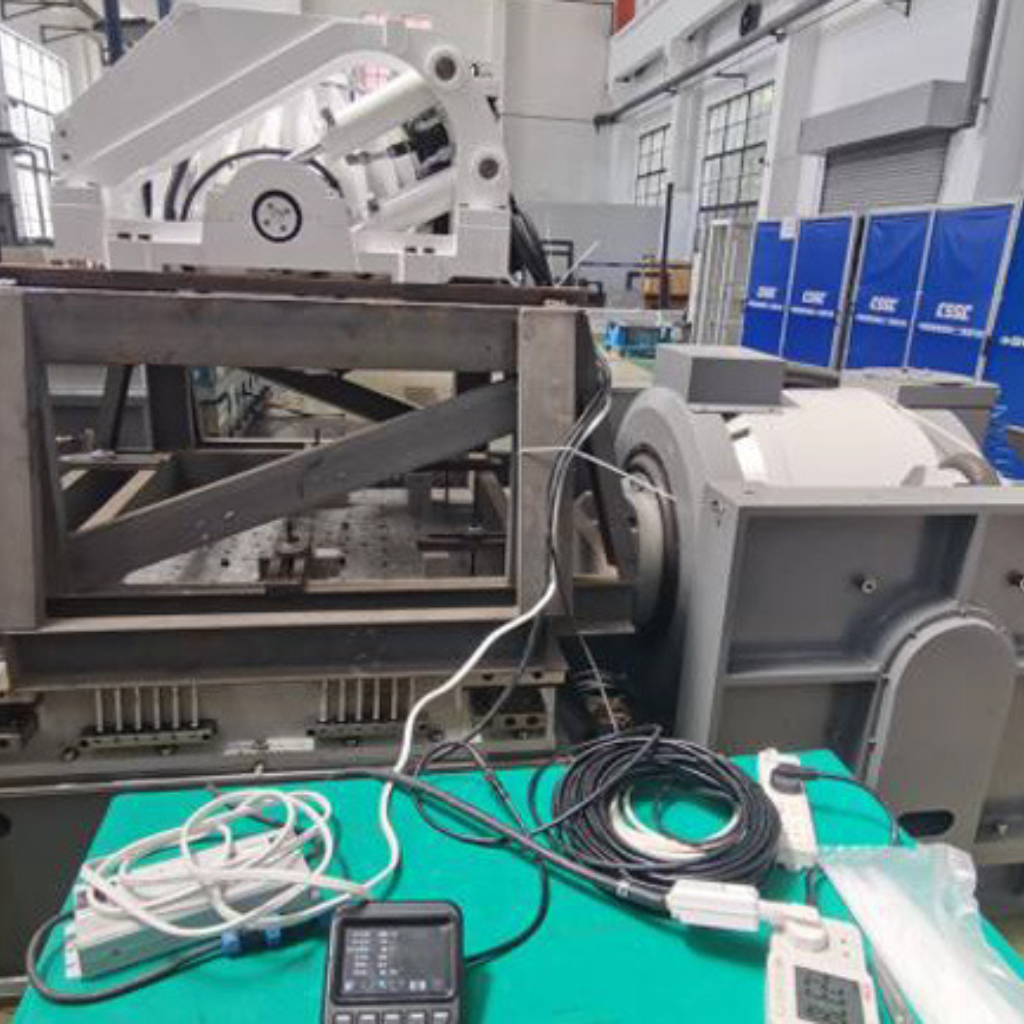
Vibration test
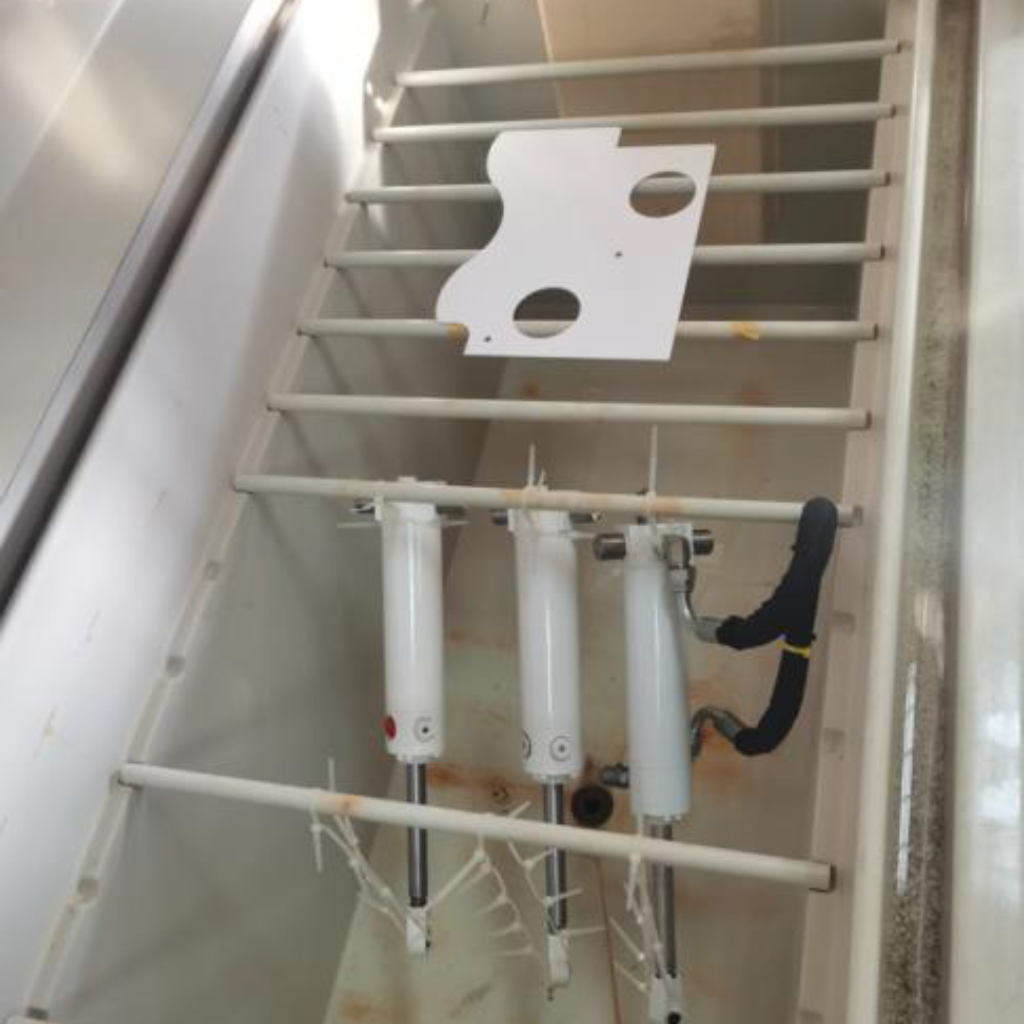
Salt spray test
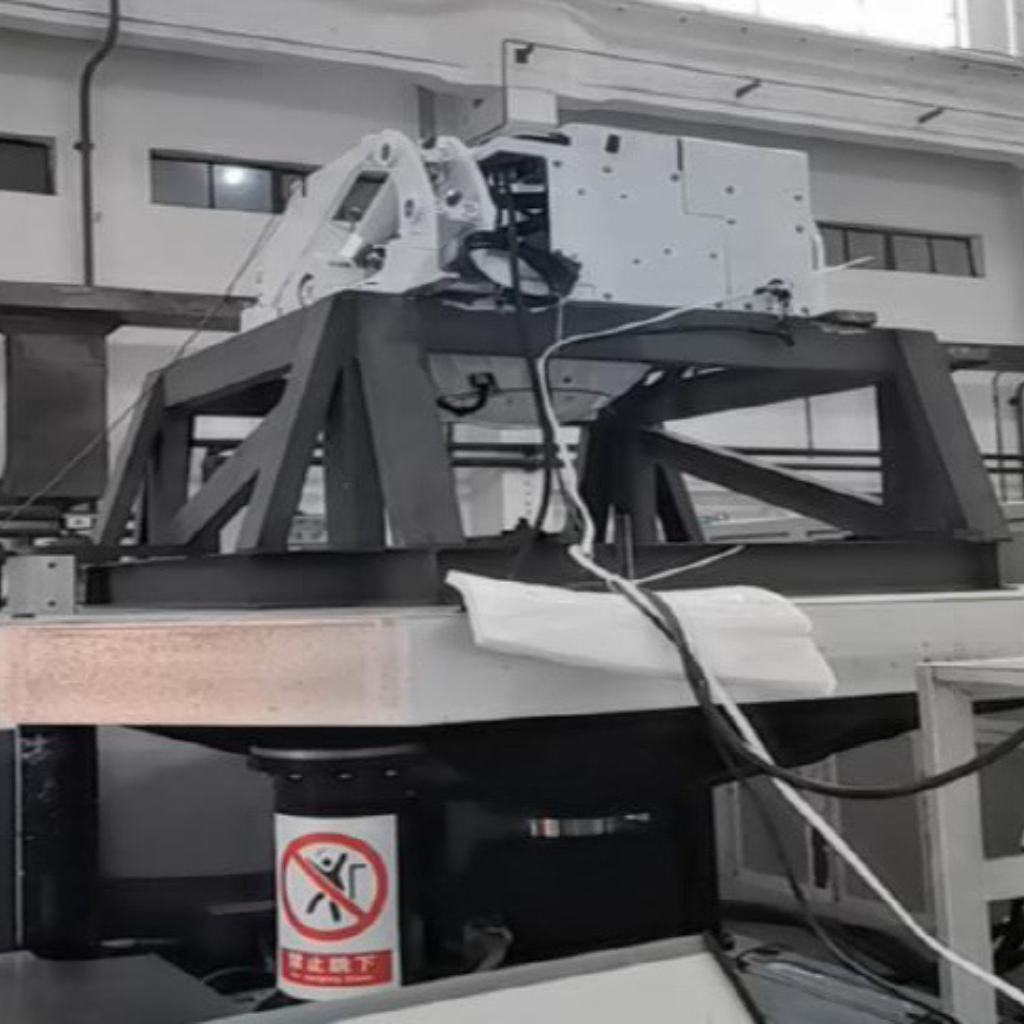
Impact test
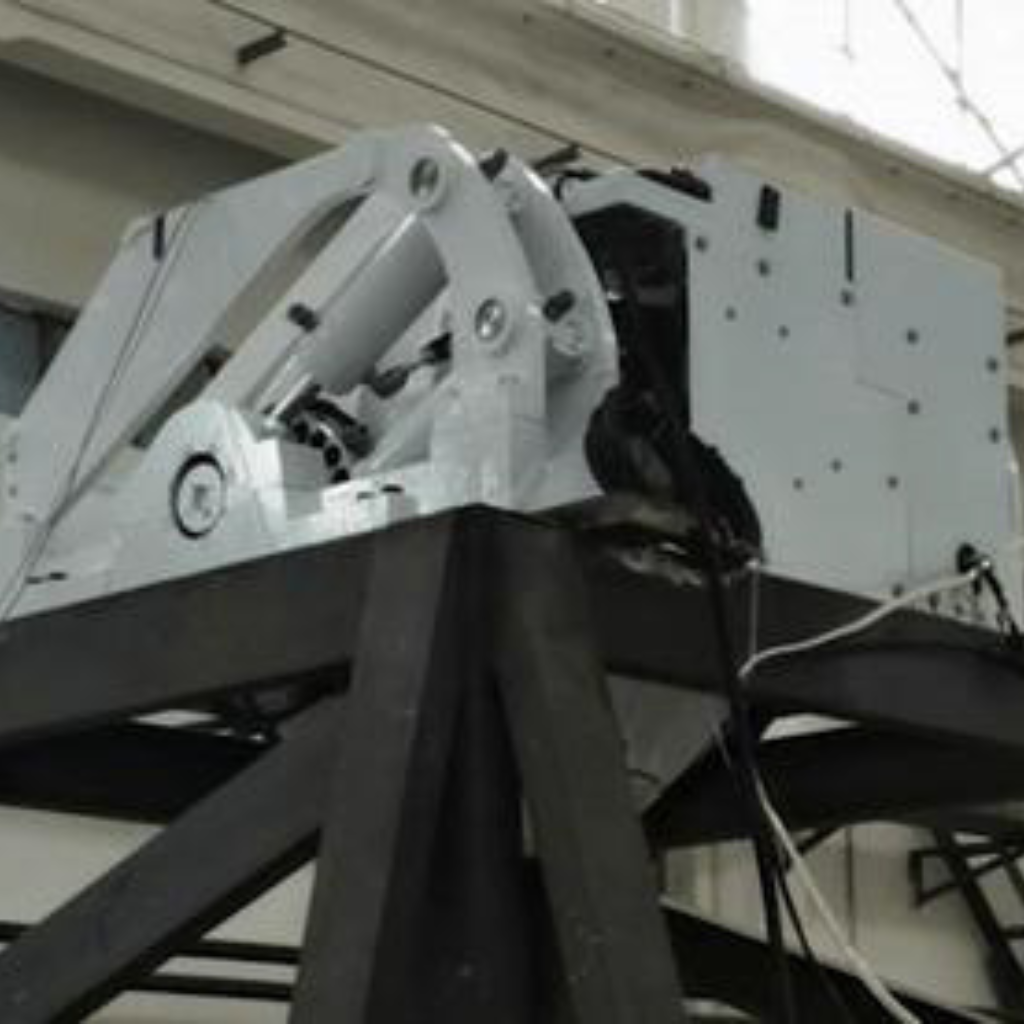
1000 consecutive
bumping test
Test Conditions and Design Outcomes
Environmental adaptability tests: conditions, purpose and design outcome
| Test | Test condition | What it verifies | Design outcome |
|---|---|---|---|
|
Swing table test |
Combined roll and pitch motion, ±30°, 3–10 s period |
Structural stiffness of the gyro body and dynamic response of the bearing system |
Frame angular-velocity fluctuation below 0.5%, so the anti-rolling moment follows hull motion |
|
Temperature and humidity test |
−20 °C to 60 °C at 95% RH, 40-hour cycling |
Electronics: PCB plating corrosion and seal ageing |
Protective coating process optimised; military-grade connectors adopted |
|
Vibration test |
Swept-frequency vibration on the X, Y and Z axes |
Rotor dynamic-balance defects |
Higher bearing dynamic-load margin reserved for longer service life |
|
Impact test |
Shock along the Z axis |
Resistance of the flywheel emergency braking mechanism to inertial shock |
Avoids mechanical lock-up after a sudden impact |
|
Salt spray test |
240-hour periodic neutral salt spray, 5% NaCl |
Corrosion and salt ingress |
Flywheel chamber sealing upgraded; housing material and coating upgraded |
|
1000 consecutive bumping test |
1,000 half-sine pulse bumping cycles |
Fatigue of structure and brackets |
Bracket weld micro-cracks found early; topology-optimised design lowers stress concentration |
Conditions and outcomes summarise the development-stage validation of the gyro series. Detailed test reports are available on request.
Frequently Asked Questions About Boat Gyro Stabilizers
Start with the loaded displacement of the boat (hull, fuel, water, cargo and crew), then match it to the nominal vessel weight of each model: IG 03 up to 1 ton, IG 05 up to 2 tons, IG 07 up to 3 tons, IG 1 and XY-1 up to 5 tons, XY-6 up to 25 tons and XY-9 up to 35 tons. Next check the power supply (IG runs on 12–72 VDC, XY on single-phase AC), compare the model dimensions with your installation space, and consider how you use the boat: at anchor, underway or both. Send us the details and our engineers will confirm the model.
The IG and XY series cover vessels from 1 ton up to 35 tons. The IG models serve 1 to 5 tons, XY-1 serves boats under 30 ft (up to 5 tons), XY-6 serves 30–50 ft boats up to 25 tons and XY-9 serves 55–65 ft boats up to 35 tons. These are nominal ratings; actual suitability depends on hull form, weight distribution and mounting structure, so we confirm each installation against the vessel details.
Both series use a high-speed flywheel to generate an anti-rolling moment, but they target different vessels. The IG series is DC-powered (12–72 VDC), weighs 60–115 kg, measures 396 × 340 × 380 mm, delivers 900–3,000 Nm and suits vessels up to 5 tons, with an ambient range of −20 to 50 °C. The XY series is AC-powered (AC100–240 V for XY-1, AC210–240 V for XY-6 and XY-9, single phase), weighs 160–559 kg, delivers 2,650–31,200 Nm and suits vessels up to 5, 25 and 35 tons, with an ambient range of −20 to 60 °C.
Operating power rises with model size: IG 03 150–300 W, IG 05 200–400 W, IG 07 300–600 W, IG 1 400–800 W, XY-1 400–800 W, XY-6 700–2,200 W and XY-9 900–2,300 W. Spool-up draws more: 300 W, 400 W, 600 W and 800 W for the IG models, and 800 W, 2,300 W and 2,900 W for XY-1, XY-6 and XY-9.
There are two milestones. Spool-up time to stabilization is when the unit starts to stabilize the boat: 15 minutes for every IG model, 10 minutes for XY-1, 20 minutes for XY-6 and 28 minutes for XY-9. Spool-up time to max rated rpm is when the flywheel reaches full rated speed: 30 minutes for the IG models, and 24, 35 and 55 minutes for XY-1, XY-6 and XY-9. Start the unit before you need it, for example before leaving the berth.
Yes, subject to review. A gyro stabilizer passes a large reaction torque into the hull, so we check the mounting structure, the space available for the model’s dimensions and weight, trim and weight distribution, and the electrical supply (a DC battery bank for IG, single-phase AC for XY). Include drawings or photos of the intended location with your enquiry.
DECHO gyro stabilizers use a vacuum-sealed flywheel housing, high-speed bearings with a generous dynamic-load margin and sealed IP67 electronic control components. DECHO states a design life of 15 years of maintenance-free operation for this design. Operating conditions and any inspection items for your model are given in its maintenance guidance, which you can request together with your quotation.
To prepare a quotation we need the vessel type, length overall, beam and loaded displacement; whether it is a new build or a retrofit; the onboard supply (DC voltage, or AC voltage and frequency); the planned installation location and available space; typical operating conditions such as time at anchor, cruising speed and sea area; and the quantity and delivery destination.
Yes. The development-stage validation programme for the gyro series included swing table testing (±30°, 3–10 s period), temperature and humidity cycling (−20 °C to 60 °C at 95% RH for 40 hours), swept-frequency vibration on the X, Y and Z axes, Z-axis shock, 240-hour neutral salt spray (5% NaCl) and 1,000 consecutive bumping cycles. DECHO gyro stabilizers are also tested for rapid manoeuvres at up to 50 knots and level 4 sea conditions.
Yes. The counter-torque comes from the spinning flywheel, not from water flowing over fins, so a gyro stabilizer works at anchor, while drifting and underway, once it has reached operating speed.
Request a Marine Gyro Stabilizer Quotation
Boat builders, marine equipment integrators and vessel operators are welcome to send their vessel details. We will recommend a model, confirm installation requirements and prepare a quotation.
- Vessel type, length, beam and loaded displacement
- New build or retrofit, and quantity
- Onboard power supply: DC voltage, or AC voltage and frequency
- Installation location and available space
- Operating conditions and delivery destination
For owners exploring highly reliable boat gyro stabilizers, this Gyro solution is worth considering.
Contact us to explore whether the Gyro Stabilizer is a good fit for your boat.