Decho

Ship Detail Design Services for Shipyards and Boat Builders

Our team is specialized in detail design.

Detail Design is the final engineering stage where the approved Basic Design is transformed into precise, actionable data for the shipyard. It focuses on “how to build” the vessel, ensuring all components fit perfectly within the 3D space. Decho is a ship detail design company serving shipyards and boat builders, and our team builds 3D product models, runs clash detection and delivers workshop drawings, CNC nesting files and pipe spools.

Core Objectives

  • Clash Prevention: Ensuring that structural elements, piping, and electrical systems do not intersect.
  • Production Readiness: Creating drawings and data that can be used directly by craftsmen and automated machines (CNC).
  • Material Accuracy: Generating final Bills of Materials (BOM) for procurement.

Clash prevention starts with shipbuilding clash detection in the 3D model. Production readiness means shipbuilding production drawings that the workshop can use directly.

Key Engineering Areas

  • Structural Detailing: Development of production-ready parts, including plate nesting, stiffener end-connections, and other details.
  • Piping & HVAC Routing: Detailed 3D routing of all fluid systems and ventilation ducts. This includes the creation of Pipe Isometrics, which provide specific instructions for pipe fabrication.
  • Outfitting & Accommodation: The layout of equipment foundations, ladders, manholes, and interior lining.
  • Electrical Detailing: Finalizing cable tray routing and equipment positioning to ensure logical cable pulling paths.

These are the shipbuilding detail design services Decho provides. All four areas are modeled in one 3D environment, so conflicts are found before steel is cut.

Main Deliverables (Output)

  • 3D Product Model: A “digital twin” of the vessel containing all technical metadata.
  • Workshop Drawings: Assembly drawings for blocks and sections used on the shop floor.
  • Nested plate drawings: Digital instructions for automated steel cutting and plate bending.
  • Spool Drawings: Detailed sketches for individual pipe sections (spools) to be prefabricated in the workshop.

Our nested plate drawings are CNC shipbuilding drawings, and the final shipbuilding BOM supports accurate procurement.

Importance of this Phase

Effective detail design, significantly reduces “rework” on the shipyard. By resolving technical conflicts in a virtual environment, builders avoid costly delays during the physical assembly of the ship.

Yards that choose outsourced ship detail design get this benefit without building a full in-house team.

Basic Design vs Detail Design

The two stages answer different questions. Basic design says what will be built. Detail design says how.

Basic Design (Class Design) Detail Design
Core question
What will be built, and does it meet class rules?
How will it be built?
Typical output
Class drawings, General Arrangement, P&IDs
Workshop drawings, nested plate drawings, spool drawings, 3D product model
Level of detail
Global hull structure, plate thicknesses, primary framing
Production parts, stiffener end-connections, 3D pipe and duct routing
Main user
Classification society and owner
Shipyard workshop, craftsmen and CNC machines

Input for Detail Design in Shipbuilding

The Detail Design phase relies heavily on the output of the Basic Design (or Class Design). The following inputs are essential:

  • Approved Class Drawings. These are the drawings approved by Classification Societies (e.g., Lloyd’s Register or DNV). They define the global hull structure, plate thicknesses, and primary framing.
  • General Arrangement (GA): The master blueprint that defines the overall layout, compartmentation, and use of space on the vessel.
  • Schematic Diagrams (P&IDs): Piping and Instrumentation Diagrams from the Basic Design phase. These schematics show how systems should function, which valves are needed, and the flow direction, but not yet their physical 3D path.
  • Makers List: A finalized list of confirmed suppliers. This ensures that the design is based on actual components rather than “placeholder” dimensions.
  • Yard Standards: Every shipyard has its own building preferences (e.g., standard bracket sizes, preferred welding gaps, or maximum block weights for their cranes). These “rules” must be fed into the detail design to make the drawings “buildable” for that specific yard.
  • Equipment Data Sheets & Vendor Info: Detailed technical specifications of purchased equipment (engines, pumps, winches). Engineers need exact dimensions, weight, and connection points (pipe flanges/electrical terminals) to integrate them into the 3D model.

Together these are the ship detail design requirements for a new project. Decho applies your shipyard engineering standards to every drawing set.

Summary of the Workflow

Input: Approved Class Plans + Vendor Specs + Schematics.

Process (Detail Design): 3D Modeling + Clash Detection.

Output: Workshop Drawings + CNC files + Pipe Spools.

By integrating these inputs correctly, we ensure that the digital model is a perfect “buildable” reflection of the final ship. Detail Design is the final engineering stage where the approved Basic Design is transformed into precise, actionable data for the shipyard. It focuses on “how to build” the vessel, ensuring all components fit perfectly within the 3D space.

references

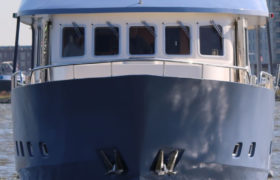
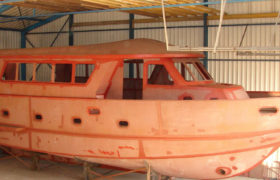
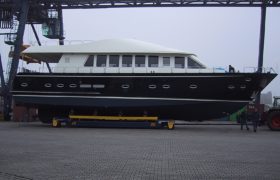
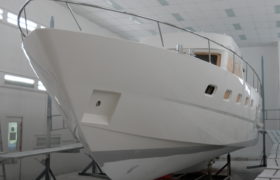
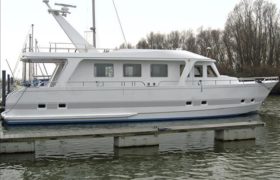
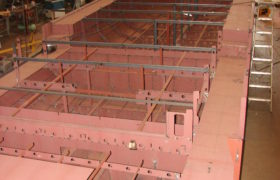
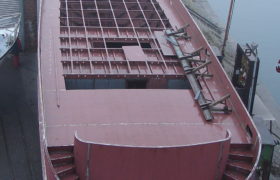
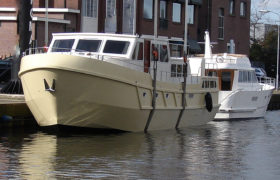
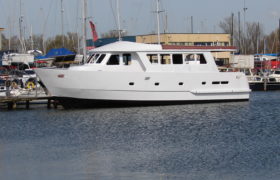
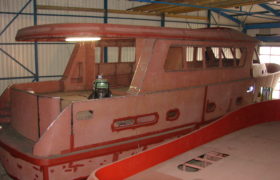
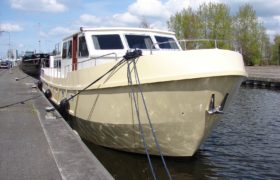
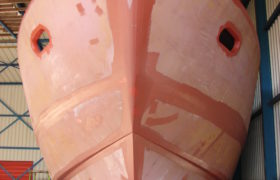
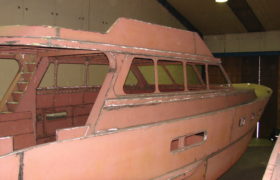
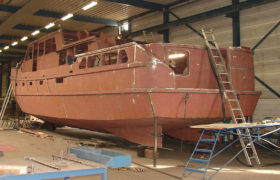
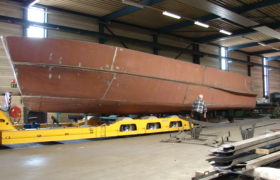
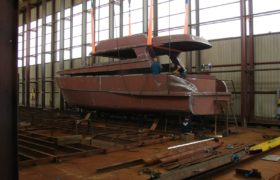
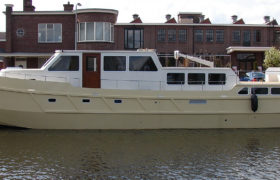
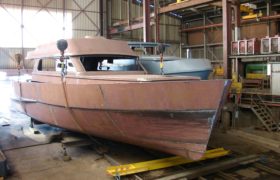
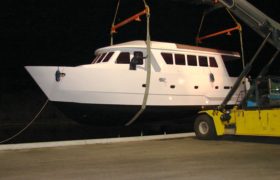
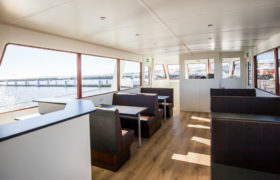
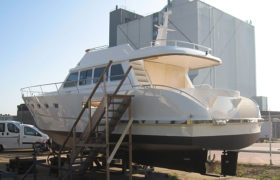
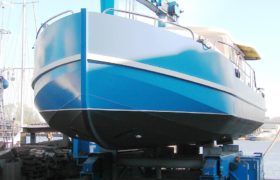
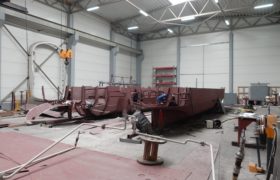
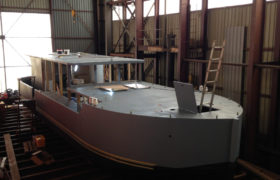
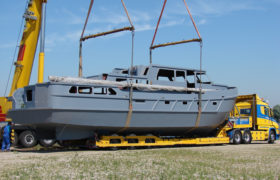
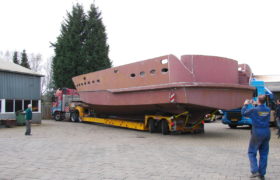
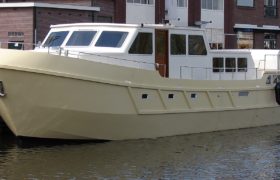
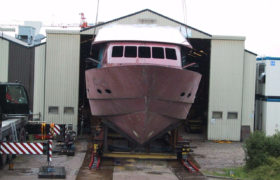
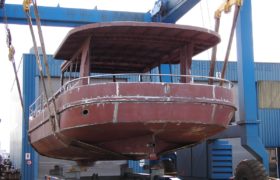
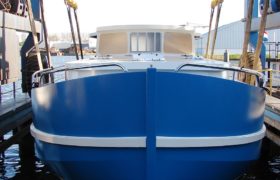
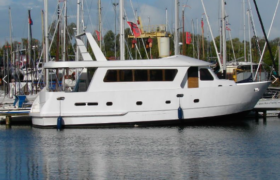
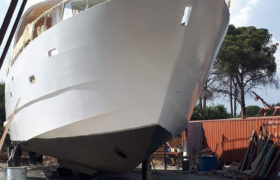
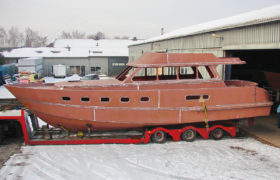
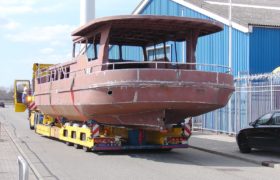
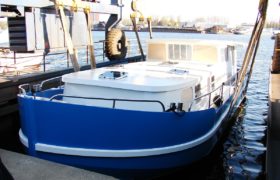
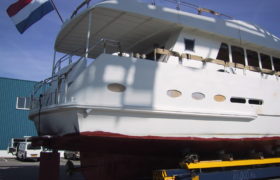
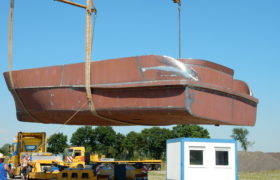
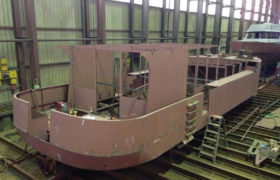
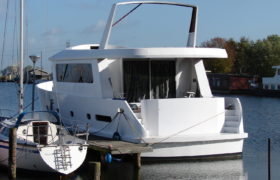
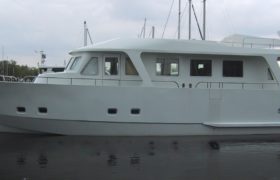
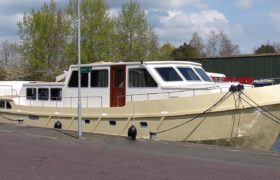
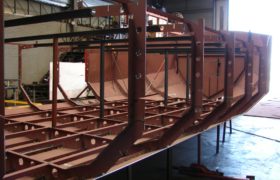
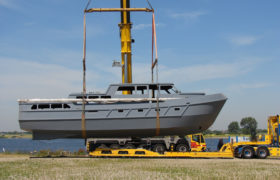
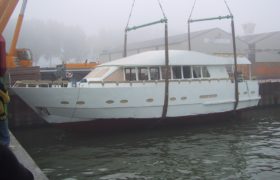
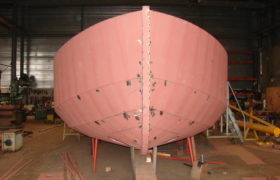
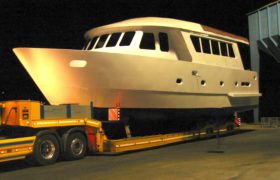
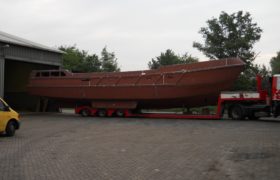
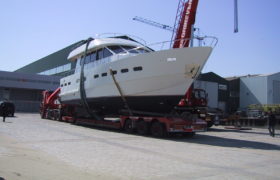
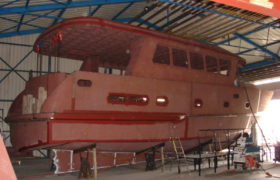
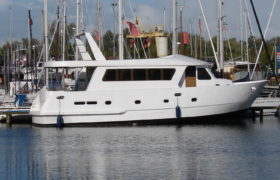
Decho has the design rights of the complete portfolio of the well-known Dutch yacht and workboat design office Bonito Boats (owner now retired) and access to over 400 design and engineering project database hull and deck designs (6 to 24 meters) that have been completed for the following (and other) pleasure and commercial craft brands all over the world:
Almarine | Riverfun | Seascape | Orca | Beaver Catamarans & workboats | Bonito | Passenger 57 and 73 of which you see a selection of photos:

Frequently Asked Questions About Ship Detail Design

How do I find a reliable ship detail design company?

Look for a ship detail design company that can show completed projects in your vessel size, works from approved class drawings, and delivers production-ready outputs such as 3D models, workshop drawings, CNC nesting files and pipe spools. Ask how clash detection and yard standards are handled. Decho has completed more than 400 hull and deck design and engineering projects for vessels from 6 to 24 m.

What services are included in shipbuilding detail design?

Shipbuilding detail design services include structural detailing, piping and HVAC routing, outfitting and accommodation layout, and electrical detailing. The result is a 3D product model, workshop drawings, nested plate drawings, spool drawings and a bill of materials.

Can I outsource ship detail design to an external engineering company?

Yes. Shipyards and boat builders can use outsourced ship detail design when they need production drawings without a full in-house team. You provide approved class drawings, the general arrangement, P&IDs, the makers list, yard standards and vendor data. The engineering company returns workshop-ready drawings and CNC files.

What drawings are required before starting ship construction?

Construction relies on two groups of drawings. Approved class drawings and the general arrangement define the vessel. Shipbuilding production drawings, meaning workshop and assembly drawings, nested plate drawings and pipe spool drawings, tell the workshop how to build it. Detail design produces the second group.

What is the difference between basic design and detail design in shipbuilding?

Basic design, also called class design, defines the global hull structure, plate thicknesses, general arrangement and system schematics for class approval. Detail design turns those approved documents into production data that shows how to build the vessel. In the basic design vs detail design comparison, the first answers what, the second answers how.


How much does ship detail design cost?

Ship detail design cost depends on vessel length and type, structural and system complexity, the deliverables required (such as CNC nesting and pipe spools) and the quality of the inputs supplied. Decho prepares a quotation after reviewing your class drawings, general arrangement and yard standards. TBC: pricing approach or reference range
Can a marine engineering company provide CNC-ready drawings?

Yes. Decho delivers CNC shipbuilding drawings as nested plate drawings, which are digital instructions for automated steel cutting and plate bending, together with workshop drawings and pipe spool drawings for the shop floor.

What documents are needed to start a ship detail design project?

The core ship detail design requirements are approved class drawings, the general arrangement, P&IDs, a makers list, yard standards, and equipment data sheets with vendor information. The more complete these inputs are, the more accurate the 3D model.

How does 3D clash detection reduce shipbuilding errors?

Shipbuilding clash detection checks the 3D model for places where structure, piping, HVAC and electrical systems intersect. Conflicts are resolved virtually, so the shipyard avoids rework and delays during physical assembly.

What is included in a shipbuilding bill of materials?

A shipbuilding BOM is the final bill of materials used for procurement. It is generated during detail design and supports material accuracy by matching purchase quantities to the drawings. TBC: BOM fields

Can ship detail design be adapted to specific shipyard standards?

Yes. Every shipyard has its own preferences, such as standard bracket sizes, welding gaps and maximum block weights for cranes. Decho feeds these shipyard engineering standards into the model so the drawings are buildable for that specific yard.

How long does the ship detail design process take?

The ship detail design timeline depends on vessel size, system complexity, drawing scope and how complete the inputs are at project start. The process runs from input review through 3D modeling and drawing development to final delivery. Contact us with your project details to receive a schedule.

Request a Ship Detail Design Quotation

Send us your vessel type, length and the inputs you already have. We review your class drawings, general arrangement and yard standards, confirm the scope and prepare a quotation. Your ship detail design cost depends on these details.

Available inputs
Scroll to Top